When everyone is busy, the answer is often to ask people to work faster. Before doing that, look at the work they are being asked to do. A few repeated steps can consume time across an entire week, even if none looks large on its own.
This is not a claim that every delay can be automated away. Some checks protect customers, money or quality. The aim is to find out which work helps and which work creates waiting, chasing or avoidable repetition.
Keep a simple tally for one week
Give the people doing the work a sheet with four columns: task, how often, rough time, and what happens next. A note on a phone is fine too. Do not ask people to account for every minute; look for repeated patterns.
At the end of the week, multiply a rough time by the number of occurrences. Treat the result as an estimate, not a saving you have already made. Ask what was missed: a five-minute task may hold up a customer for two days while it waits for approval.
Five places to look
Typing the same details twice. Check who needs each copy before removing it. If both systems need the information, an import or connection may help. Start by following one job.
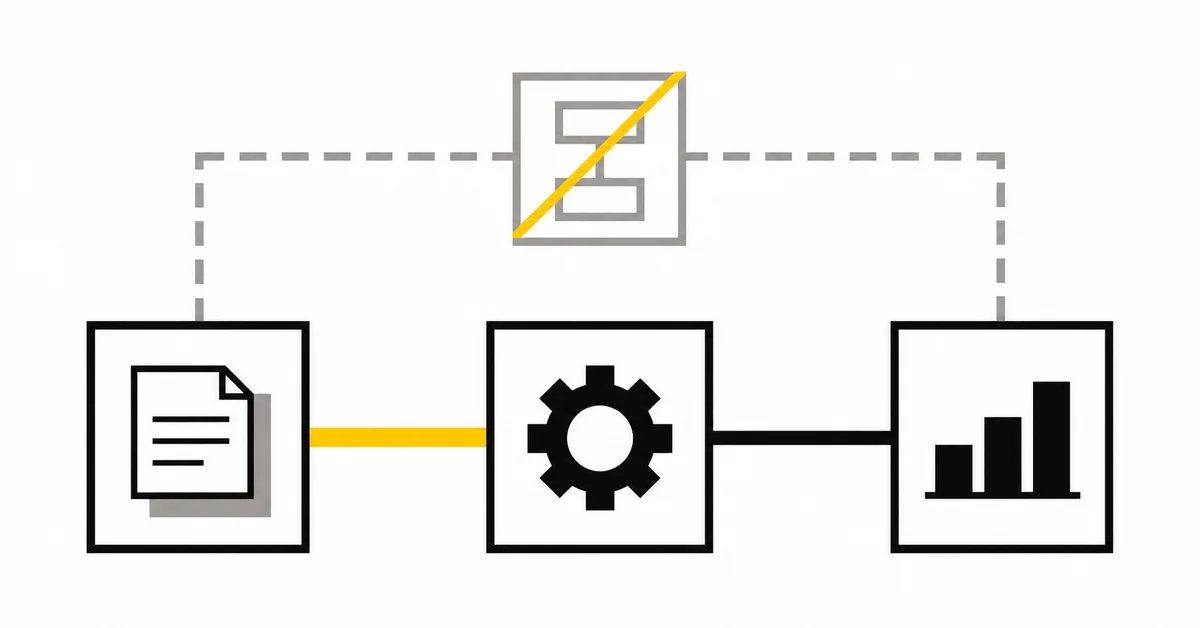
Handovers. A quote passes to scheduling, then to the person doing the job, then to accounts. Ask what the next person needs and what they have to chase. Our guide to handover problems offers two questions to start with.
Reports nobody trusts. If the weekly report takes hours and still starts an argument, agree what the numbers mean before building a dashboard. Try one number everyone trusts.
Software with overlapping jobs. List the tools, costs and owners. Talk to the people using them and check dependencies before cancelling anything. See the software you only half use.
Work only one person understands. A short note written with that person can help cover holidays and reveal unnecessary steps. Here is a one-page process format.
Where AI might help
AI can be useful for a first draft, summarising approved material or helping someone make sense of information. It also needs checking, and not every task is suitable. In its 2026 UK workforce survey, Deloitte reported an average of 70 minutes a week in self-reported time savings. That is a survey average, not a forecast for your business or a guarantee that all of that time becomes available for other work.
Test with invented or approved information. Check the account, provider terms, retention and client permissions before using real data, and decide who checks the output. This guide to business information and AI explains what to look for.
Pick one change and finish it
Choose a problem the team recognises. Agree who owns the change, what you expect to improve and when you will review it. Try a smaller form, a clearer handover or a feature already included in software you use. If those do not fit, consider a connection, automation or custom tool.
Check a few weeks later with the people doing the work. Did it remove the step, create another one or make no difference? Keep what helped, adjust what did not, then pick the next issue.